

Trying to incisively untie the differences and similarities between academic and industrial professorships can be indeed cumbersome. Most unfortunately sometimes, sections of the elite public and even practicing academics lack incisive information on all the processes of an enduring global phenomena in exceptional higher education and professional accomplishments.
The Other Professors: How Practice Became Pedagogy — and Why It Matters
There is a moment, usually unremarked, when a small card or a line of type changes everything. A licensed chartered management consultant’s LinkedIn profile reads “Professor of Management Practice.” A celebrated journalist accepts the title “Professor of Journalism” from a professional media institute. A retired CTO walks into a classroom and, without a PhD or a decade of peer-reviewed articles, takes a place on a university panel as a “Professor of Professional Practice.” For many members of the public — and even for countless students — the single word “professor” conjures an image of lecture halls, tenure committees and footnote-heavy publications. But in the shifting landscape of knowledge and work, that image is incomplete. There is an entire ladder of professorships whose rungs are not built only from academic credentials, but from professional licensing and mastery. And rising on those rungs is a distinctive figure: the Licensed Accredited Professional Institute Professor.
This is not an honorary plaque or a ceremonial nod. An Accredited Professional Institute Professor is someone formally recognized — given the title “Professor” — by a chartered institute, academy, or certified professional organization rather than a traditional university. The recognition travels by a different route: not exclusively through doctoral theses and tenured research lines, but through a lifetime of professional practice, innovation, mentorship, and contributions that have changed the way a field operates. It is a title that kneads together the authority of institutional accreditation and the legitimacy of real-world achievement. Understanding it matters, because as knowledge production diversifies, society needs sharper maps for reading credibility.
What the title means — and what it does not
To be clear, an Accredited Professional Institute Professor is not the same thing as an honorary celebrity bestowed a glamorous but vacant title because he or she usually always posses the highest professional licenses obtainable from such awarding institutions usually regulating such professions in question by government granted charters of authority. Nor is it the traditional university professor whose working life orbits research grants, peer-reviewed journals and tenure review boards. The crucial difference lies in source and emphasis.
These professors are appointed by institutes that possess legal or recognized authority — chartered bodies, professional academies, or institutions accredited by governments or international agencies or approved regulatory bodies. That accreditation is the cornerstone: it transforms the title from a flattering compliment into a defensible, verifiable credential. If a chartered management institute, a national engineering council or a recognized academy of diplomacy confers the title, the professorship carries institutional weight. If, by contrast, an unaccredited and non-certified body invents grand titles, the public has every right to be skeptical.
And while university professors are rewarded for advancing theory — writing, testing, and validating new knowledge — professional institute professors are celebrated for applying knowledge. Their currency is practice: published applied works, innovative professional methods, decades of leadership, mentorship and a demonstrable record of changing the practice of their discipline. In short, they are the academic equivalent of master practitioners.
The ladder: situating professional institute professors among their peers
If professorships were a ladder, the Accredited Professional Institute Professor would sit in the mid-to-upper rungs — a bridge between classic academic ranks and the ranks reserved for industry-savvy teachers.
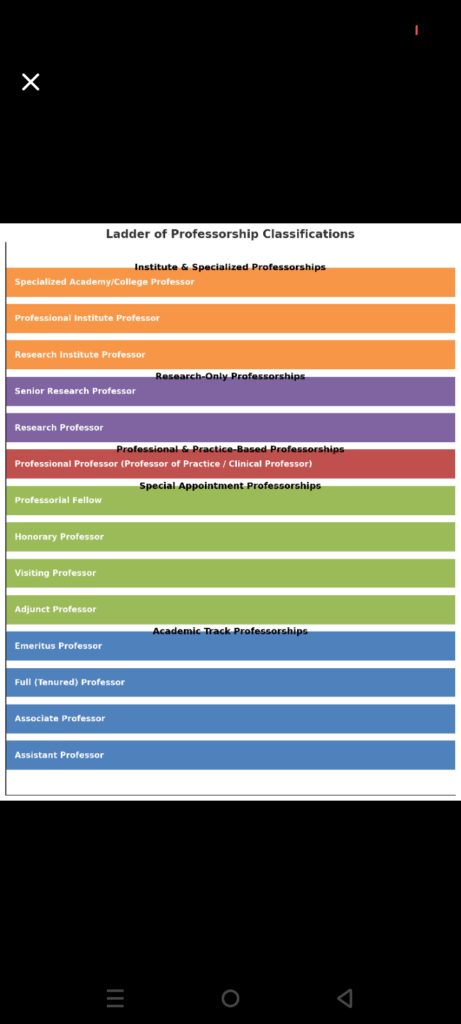
At the top you still find full-time, tenured university professors who pursue research, publish in journals and shape disciplinary theory. Beside them are research professors who focus mainly on producing knowledge. Below them are visiting and adjunct professors: teachers who bring expertise from elsewhere for specific terms or part-time instruction. Honorary professors, meanwhile, are a different category — bestowed as recognition rather than employment.
Nestled among these is the Accredited Professional Institute Professor. Unlike an adjunct who lectures occasionally, or an honorary appointee who may never teach a single hour, these professional professors often undertake active roles in training, curriculum development, consultancy and mentorship. They do not merely lend prestige; they transmit practice. They are parallel to research professors in standing, but their “measure” is not publication counts — it is the transformation of practice.
The distinction matters because it clarifies expectations. When a policy debate features a “Professor of Practice” rather than a “Research Professor,” citizens and students can better understand the lens through which that person speaks. Is the professor positing new empirical research? Or are they distilling a lifetime of operational experience? Both contributions are valuable — but they answer different questions.
What institutions confer these titles — and why accreditation matters
A defining feature of the Accredited Professional Institute Professor is the status of the awarding body. The title’s legitimacy hinges on the institute being chartered, legally recognized, or accredited by government or international bodies. Institutes of management, engineering councils, journalism schools, or academies of diplomacy fit this mold when they have demonstrable institutional standing.

Why is this requirement so important? Because it protects the public and the integrity of the title. In countries where the term “professor” is regulated — where statutes or academic ordinances define who may claim the rank — a professorship from a recognized institute aligns with established standards. Where regulations are looser, public explanation and transparency about the awarding body’s status help guard against misuse. The profession — whether law, medicine, engineering or media — cannot afford to see expertise diluted by unverified self-styled credentials. Accreditation or authoritative licensing supplies an audit trail.
Practice before paper: the basis for appointment
Professional institute professorships are practice-based. Rather than counting only publications, appointment panels evaluate a blend of accomplishments:
• Published works that have direct professional impact — manuals, policy papers, industry-standard texts.
• Innovation that changes how work is done — new methodologies, protocols, or technologies introduced into practice.
• Long-term leadership in industry — positions that have shaped organizations, sectors or public services.
• Teaching, training and mentorship — evidence of sustained commitment to developing people in the field.
These are not throwaway criteria. They are the measures through which the professional professor demonstrates a contribution that is both deep and durable. That durability is what transforms a practitioner into an educator: the ability to distill tacit knowledge into teachable forms, to translate field-hardened judgment into frameworks that students and younger professionals can adopt.
The professional professor’s role in the classroom and in society
Once appointed or licensed as may be the case, these professors tend to bring a distinctive pedagogy. Their teaching leans heavily into application: case-based instruction, real-world problem solving, simulations, client-based projects and mentorship that emphasizes career pathways. They bridge the gap between the often abstracted world of academic theory and the messy, constraint-ridden environments students will enter.
That practical focus benefits students directly. Where a traditional seminar might explore competing theoretical models, a professional professor might show how a model plays out in an actual boardroom negotiation, a newsroom deadline crunch, a hospital ward or a construction site. This is not anti-intellectualism; it is synthesis. It is the intelligent application of knowledge to achieve results.

Beyond the classroom, these professors serve as connectors. They open networks, forge industry partnerships, and often help institutions align curricula with the needs of employers and regulators. They can lead continuing professional development courses, advise policy bodies, and shape industry standards. In countries with nascent professional regulation, such professors can be vital in building institutional capacity.
Backgrounds and qualifications: a hybrid of degrees, licenses and deeds
Professional institute professors often possess advanced professional degrees —C.M.Ps., CMgrs, MBAs, MDs, EngDs, JDs — or other high-level professorship license certifications. But their appointment rests on the “deeds” as much as the degrees. A chartered management consultant, for example, may be appointed Professor of Management Practice by a licensed tertiary training institution after decades of consultancy and leadership rather than after following a traditional academic ladder.
This hybrid pathway broadens access to teaching roles. For many students — especially those in professional schools — the teacher they need is someone who has navigated the trade, not only someone who has written about it. That is why institutions increasingly value a faculty mix that includes tenure-stream researchers, research professors, and professionally appointed professors.
Global recognition: how geography shapes legitimacy
Recognition of these titles varies by region. In parts of Africa and Nigeria specifically, Accredited Professional Institute Professors are increasingly recognized — by professional bodies, training institutions and government-linked academies. The title’s value rises when national regulators and industry councils accept the awarding institute’s authority.
Internationally, acceptance depends on the status of the awarding organization. A professorial title from a professionally certified and chartered, state-recognized institute will travel more readily across borders than one from an unaccredited body. This patchwork of recognition underscores the earlier point: the title’s worth is not intrinsic, but relational; it derives from the credibility of the granting body and the demonstrable contributions of the holder.
Why the public should care: trust, clarity and policy
Explaining these distinctions is not mere academic nitpicking. Clarifying professorial cadres serves a public good. It helps citizens assess expertise when professors appear in media debates or advise governors and ministers. It helps students make informed choices about programs and mentors. It helps donors and policymakers allocate funds strategically: research projects need grants; industry-linked programs need work placements and partnerships.
Perhaps most importantly, transparency reduces the misuse of titles. In societies where “professor” can be bandied about loosely, public trust can erode when perceived authority turns out to be unearned. Clear categories, and clear explanations of what each category entails, help preserve the integrity of knowledge leadership.
Notable exemplars: practice made pedagogical
The line between industry mastery and pedagogical contribution can be inspiringly visible in the lives of some well-known professional professors. Consider a handful of figures whose careers illustrate the principle: leaders who translated industry leadership into classroom impact.
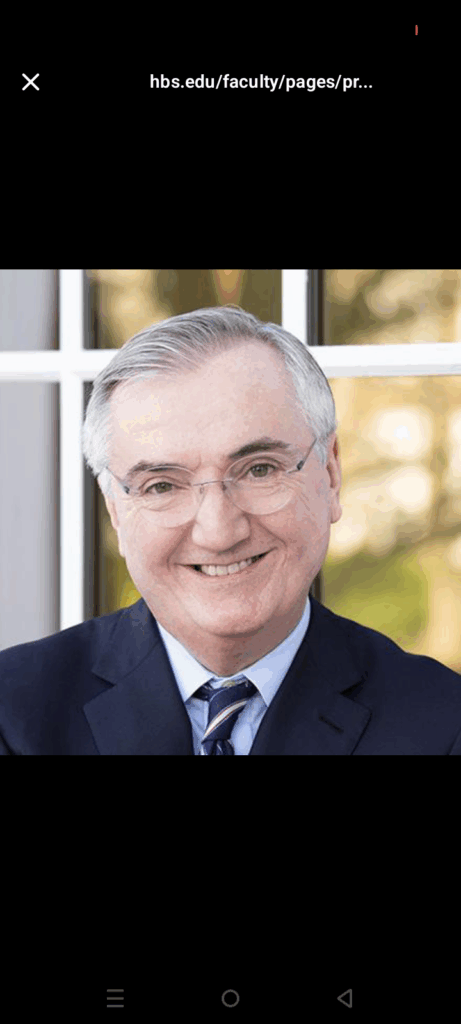
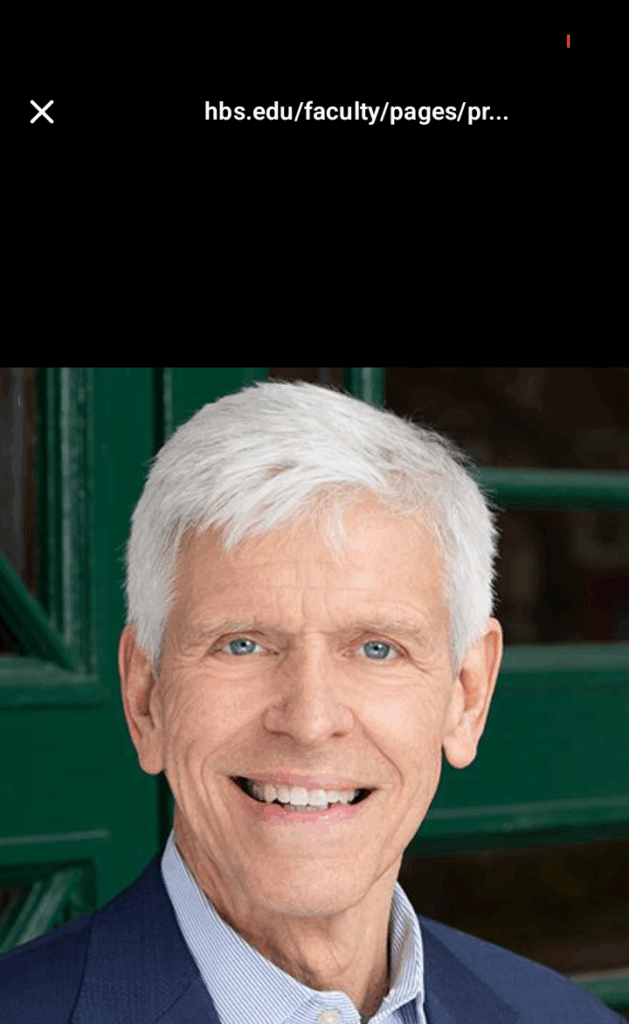
Willy C. Shih, for instance, whose title at a premier business school reflects deep involvement in manufacturing and product development, now teaches MBA and executive students using practical examples drawn from decades in industry. Thomas J. DeLong similarly channels industry insight into leadership education. Derek Lidow’s trajectory — from CEO to professor of practice — demonstrates how entrepreneurship and corporate leadership can become classroom assets. Donald F. Ferguson’s transition from chief technology officer to professor of professional practice shows how high-level software engineering experience can seed new generations of technologists.
Popular culture also offers striking examples. Peyton Manning, the NFL legend, uses his appointment as a Professor of Practice to teach media production, communication and leadership. Matthew McConaughey’s work in film education blends industry experience with academic structure. These appointments are not publicity stunts when the individuals contribute structured curricula and sustained mentorship; instead, they show how high-level professional experience can be repurposed into effective pedagogy.
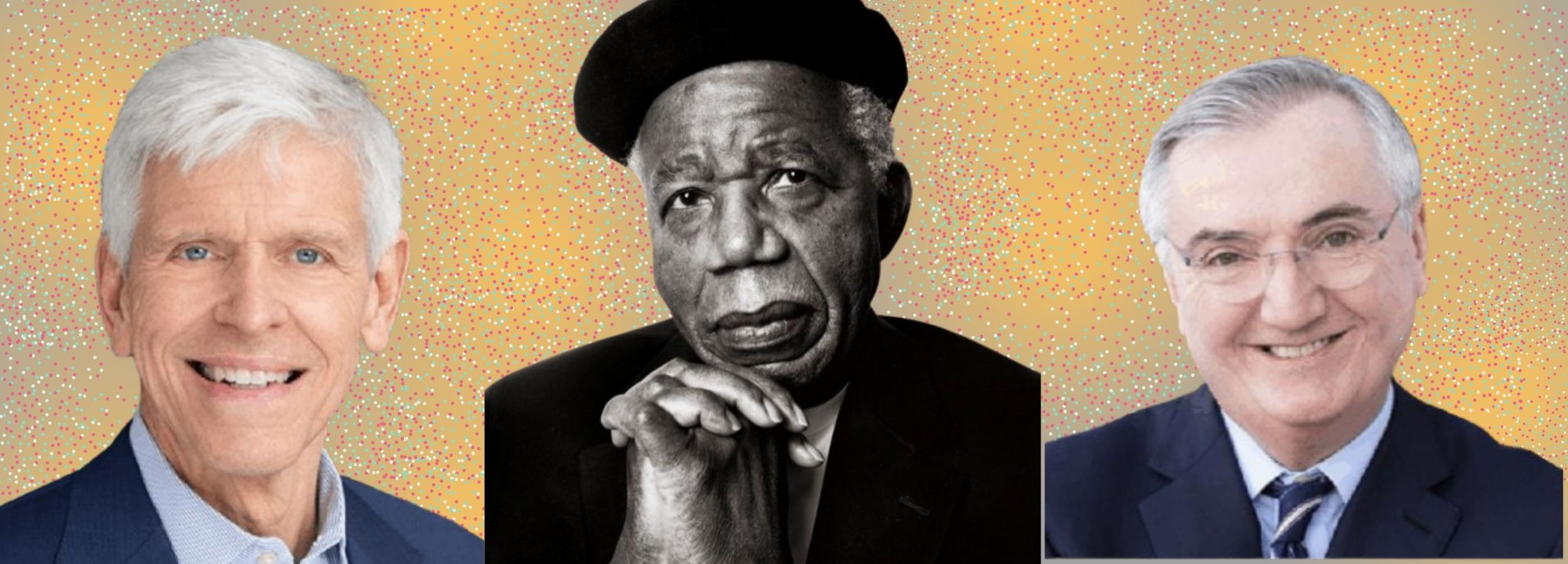
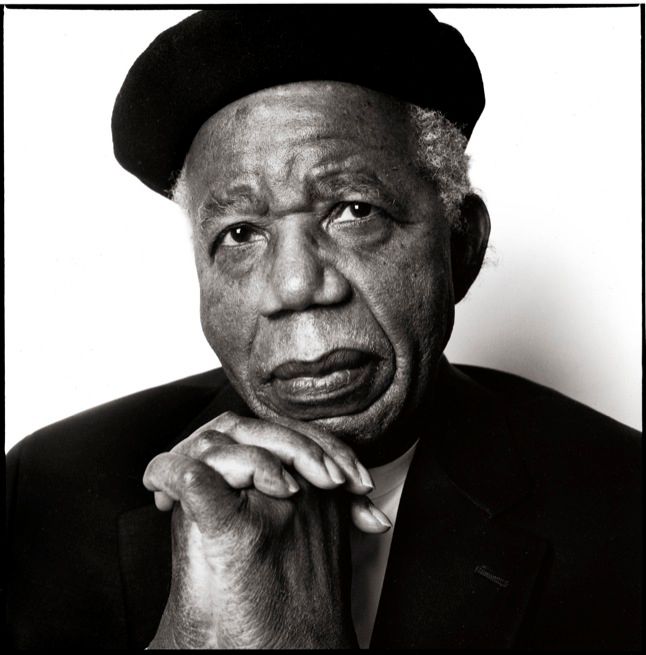
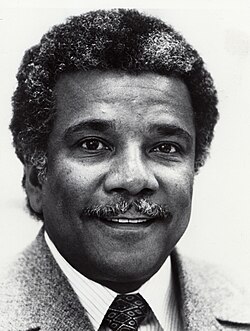
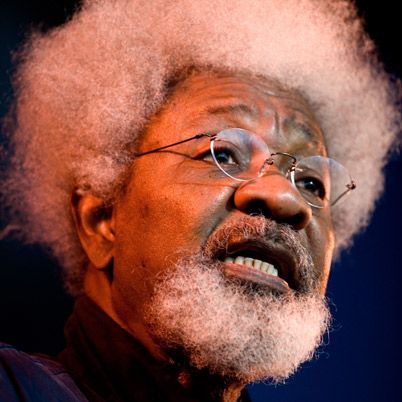
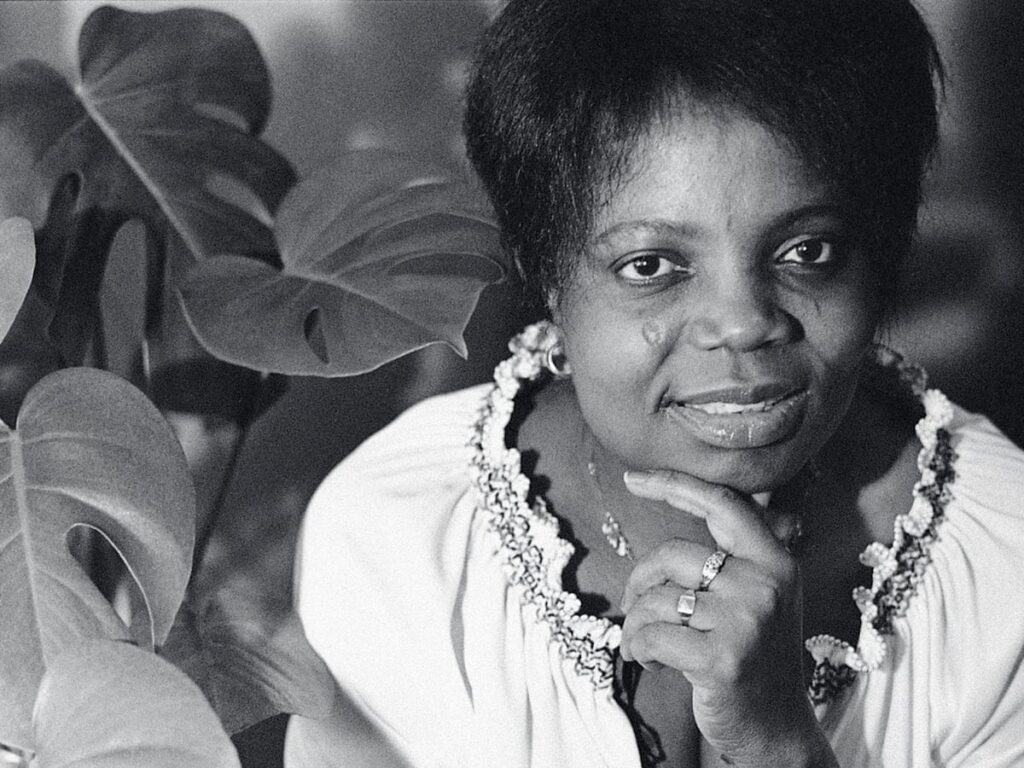
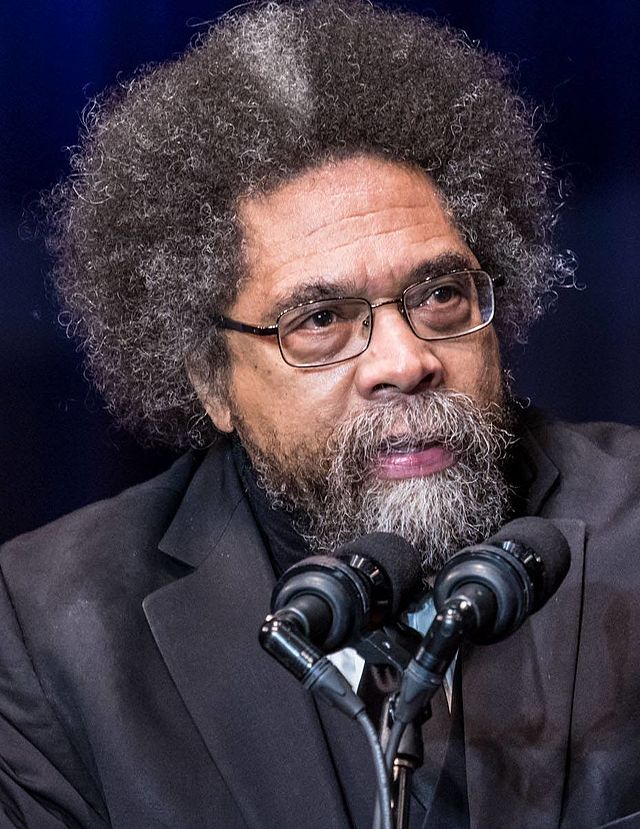
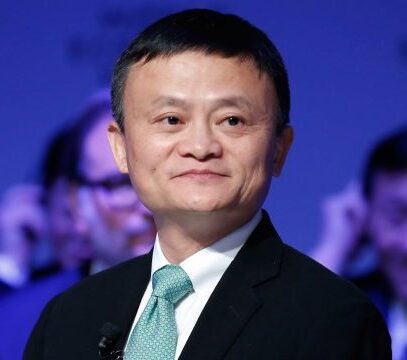
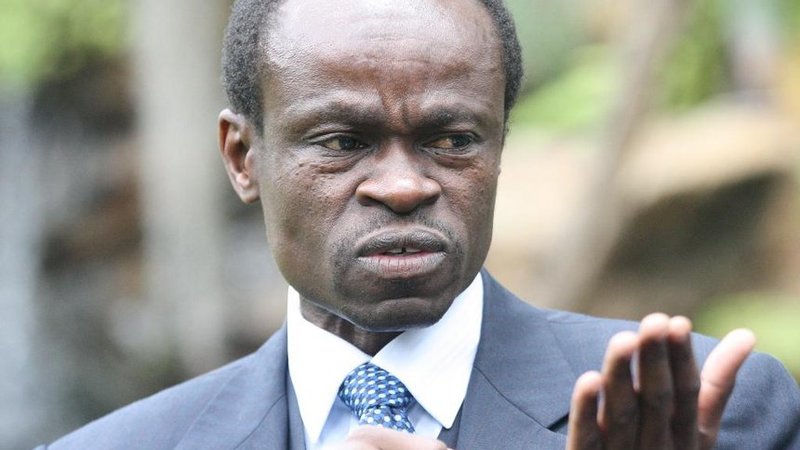
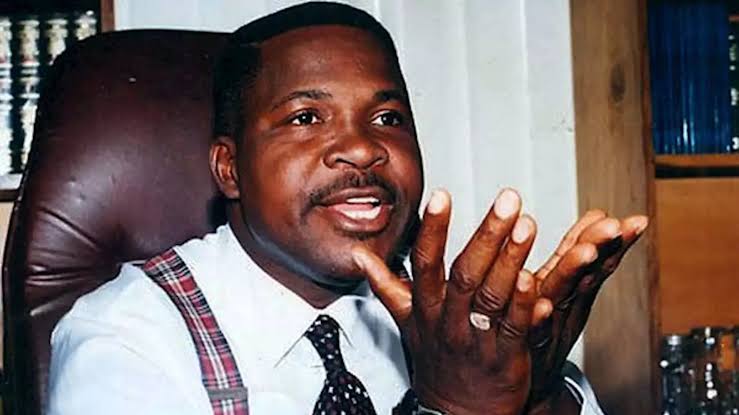
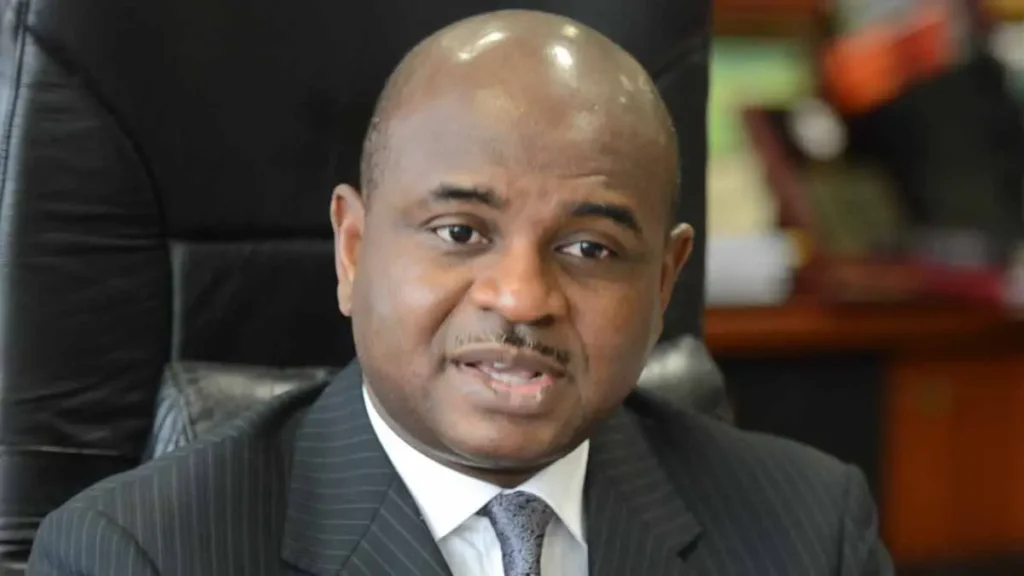
African academic professors like Chinua Achebe, Wole Soyinka, Ali Mazrui, and American-born Cornel West stands out as global academic professors and reference scholars of note while professors of professional practice such as lawyer, Mike Ozekhome, journalist and chartered management professor and consultant, Charles Chinekezi and diplomat and banker, Kingsley Moghalu represent a crop of highly qualified professional professors of practice from Africa just like e-commerce giant and Chinese born Alibaba’s founder, Jack Ma, professor P.L.O. Lumumba, the Kenyan lawyer and public intellectual, late Nigerian writers and novelists, Flora Nwapa, Buchi Emecheta and stocks economist Ndi Okereke Oyiuke remain some of the most notable professors of practice who served or still serves leading institutions in visiting capacities and celebrities.
Honorary, adjunct, visiting — the ecosystem of non-traditional professorships
The Accredited Professional Institute Professor sits in an ecosystem of titles that includes honorary, adjunct and visiting roles. Each serves a purpose.
Honorary professorships honor contribution rather than constitute employment; they bring prestige, occasional lectures and mentorship. Adjuncts provide flexible, often part-time instruction — a practical necessity in many institutions — though adjuncts may have less job security. Visiting professors inject fresh perspectives for short periods. Where confusion arises is when institutional branding conflates these categories; careful labeling and public explanation prevent misconception.
The difference with research professors — and why both are essential
It is tempting to set practice and research against each other. But the more useful view is of complementarity. Research professors expand the horizons of knowledge, pushing theory forward. Professional institute professors translate and apply those expansions; they help students and practitioners see what the new knowledge means for systems, organizations and day-to-day decisions.
A healthy university or professional academy will value both. It will fund laboratories and grant applications while also supporting industry-linked teaching and professional continuing education. The twin engines — theory and practice — propel each other. When institutions name and fund different types of professorship, they are effectively tuning the balance between exploration and application.
Institutional forms and appointment terms
Professional institute professorships can take many contractual shapes: full-time, part-time, contract-based or honorary. The appointment depends on the institution’s policy and the nature of the role. Some professional professors are embedded in business schools and law faculties as long-term faculty; others are rotating senior fellows who teach intensive modules or mentor cohorts.
Institutions should make those terms transparent. Students and external stakeholders need to know whether a professor will offer sustained mentorship or a short, high-impact series of lectures. Clarity about tenure, contract length and duties helps manage expectations and maintain accountability.
A public literacy project: mapping the roads to knowledge leadership
There is, the report rightly argues, a civic benefit to explicating the many roads that lead to the title “professor.” For the general public it is a literacy initiative: a way to read an expert’s provenance and to weigh the type of authority they bring. For students it is a recruitment tool, showing multiple legitimate pathways into teaching and leadership — not only the narrow PhD track. For employers and policymakers it informs funding and regulation decisions.
This is particularly urgent in places where the title is regulated and where unregulated use could mislead. By producing clear public explanations of categories and by insisting that awarding bodies demonstrate accreditation, societies can protect the trust that underpins public discourse.
Practical impacts: what students, institutions and employers should expect
What does this mean for everyday choices?
Students, especially in professional fields, should seek faculty whose expertise aligns with their career goals. If preparing for corporate leadership, a Professor of Management Practice who has led multinational transformations may be more valuable than a research-focused academic. If a student aims for a research career, publications and research mentorship matter more.
Institutions should be deliberate about their faculty mix, ensuring the right balance of theoretical and applied teaching. They should also communicate the nature of appointments clearly — tenure, contract, visiting or honorary — and the accreditation status of any institute conferring professorial titles.
Employers benefit from staff trained by professional professors who understand the industry’s real constraints. They should support partnerships that allow applied learning and continue to demand clarity about credentials during hiring and contracting.
Risks and safeguards
There are legitimate risks. Title inflation, where unregulated bodies confer “professorships” for prestige without substance, undermines public trust. To guard against this, the report emphasizes accreditation of awarding institutes, and transparency about the basis for appointments.
Regulatory frameworks — where they exist — should be respected. Where they do not, public and professional pressure can create norms. Media organizations, policy bodies and academic institutions should all insist on clarity when they quote “professors” as experts. This is not about gatekeeping; it is about protecting the signal from the noise.
The cultural shift: honoring diverse forms of knowledge
The rise of Accredited Professional Institute Professors is part of a broader cultural shift that honors diverse forms of knowledge. Knowledge does not only emerge from laboratories and libraries; it grows in courtrooms, studios, factories and boardrooms. By naming and formalizing the contribution of professionals to education, societies can create richer, more adaptive learning ecosystems.
This recognition — of the master craftsperson who can become a teacher, of the CEO who can become a mentor, of the judge who can become a syllabus-writer — is an acknowledgement that expertise is plural, that authority has many sources. It democratizes the idea of who can be a professor and opens institutional doors to people whose lessons are embedded in practice.
A final word: clarity, integrity, and a map worth reading
The professoriate is not a single uniform tower. It is a varied landscape with pathways that lead from research, practice, consultancy, artistry and public life into classrooms and into public discourse. The Accredited Professional Institute Professor is one of the more elegant hybrid forms in that landscape: a bridge between the world of tested, applied knowledge and the world of formal teaching.
For students, institutions, journalists and citizens, the essential task is simple: read the map. When the title “professor” appears, ask — gently and reasonably — which path the holder walked to the podium. Was it the path of peer-reviewed research? The path of industry leadership? The path accredited by a chartered institute whose standards are publicly verifiable through earned professorship licenses of professional practice.
That question does not diminish the professorate; it dignifies it. It lets us honor a Nobel-winning scientist and a master craftsman alike, each in the role they are best qualified to play. It protects the public from charlatanry and gives aspiring educators many routes into the classroom. Above all, it helps preserve the promise that the title “professor” should mean something — not only to the person who bears it, but to the student in the front row, the policy-maker seeking advice, and the society that relies on sound expertise to steer its future.
In a world where the sources of knowledge multiply and the pace of professional change accelerates, that kind of clarity is not a luxury. It is an essential public good.
By- Freepressnews.