

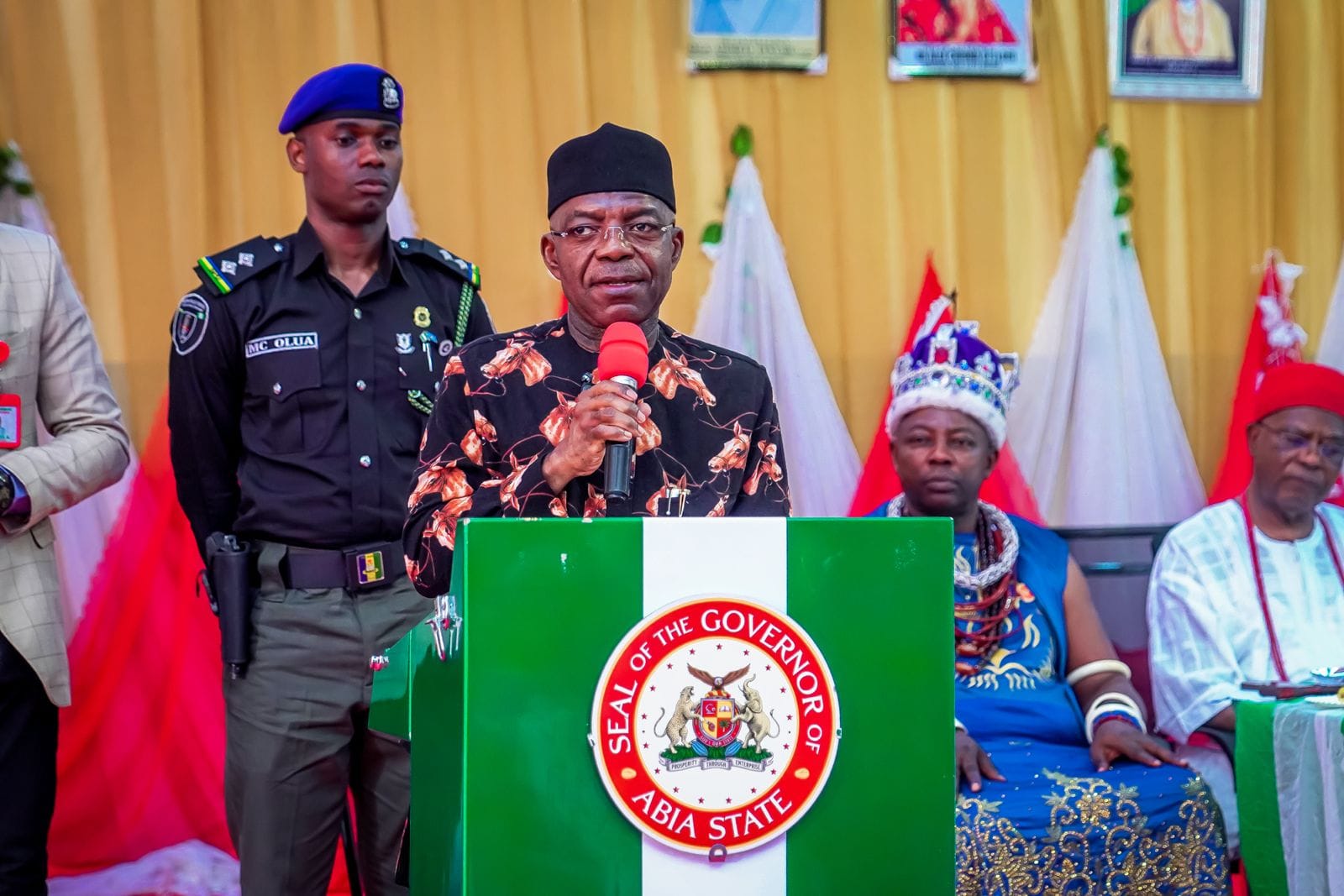
In a compelling address to traditional rulers from across the South East region, Abia State Governor, Dr. Alex Otti, emphasized the critical role these leaders play in the preservation and promotion of the rich cultural heritage of their communities. The occasion marked the opening of a significant one-day meeting of the South East Traditional Rulers Council, hosted at the JAAC Secretariat in Ogurube Layout, Umuahia.
Governor Otti underscored the importance of culture as a fundamental element that defines the identity of a people. He articulated that cultural heritage is not merely an assortment of traditions and practices; it is the very essence of a community’s existence and its collective memory. “Culture is the lifeblood of our society,” he declared. “It is our identity, our values, and our traditions that bind us together as a people.”
While addressing the assembly of traditional rulers, Otti expressed concern over the infighting and conflicts that have plagued some kingdoms in their pursuit of leadership positions. He highlighted the destructive nature of these rivalries, which erode family ties and communal relationships. Citing the Obi of Onitsha, Igwe Nnaemeka Achebe, as a paragon of what a true kingdom should embody, he called for unity and collaboration among traditional institutions.
The Governor shared his perspective on power, emphasizing its transient nature. He stated, “Power is not an end in itself; it is a tool for service. My role as Governor is not about personal gain, but about stewardship and accountability to the people of Abia State.” Otti’s approach to leadership reflects a commitment to transparent governance, where the needs and aspirations of the citizenry are prioritized.
Otti’s remarks resonated with the traditional rulers, who expressed gratitude for the Governor’s focus on service delivery without self-aggrandizement. His vision for Abia State is anchored in the belief that those in authority should be held accountable for their actions. “A good leader is one who listens to his people, understands their challenges, and works tirelessly to address them,” he reiterated.
The Governor also extended his appreciation to the leadership of the South East Traditional Rulers Council for choosing Abia State as the venue for their meeting. “Ndi Abia are known for their hospitality, and we are honored to host you,” he said. His warm words fostered a sense of camaraderie among the attendees, reinforcing the notion that traditional leaders must collaborate in their efforts to uphold cultural values.
Eze E. C. Okeke, the Chairman of the South East Traditional Rulers Council and the Imo State Traditional Rulers Council, responded to Otti’s address by commending the Governor’s unwavering determination to transform Abia State. He noted, “Traditional rulers in the South East are proud of your achievements and the frameworks you are putting in place for greater development.” Okeke articulated that the council convened in Abia to deliberate on pressing issues facing the region, and he acknowledged the prevailing peace and security in the state as a testament to Otti’s leadership.
The importance of peace was a recurring theme throughout the meeting. Eze Linus Mbah, Chairman of the Abia State Council of Traditional Rulers, echoed this sentiment, lauding the harmonious working relationship between the state government and the traditional institution. He asserted that such collaboration is essential for fostering stability and promoting cultural heritage.
Eze Innocent Nwaigwe, Chairman of the Umuahia North Council of Traditional Rulers, joined the chorus of praise for Governor Otti. He stated that the release of Mazi Nnamdi Kanu could herald a new era of peace in the South East. The traditional rulers collectively recognized that lasting peace is fundamental for the region’s cultural preservation and development.
Governor Otti’s call to traditional rulers serves as a reminder of their vital role in maintaining cultural heritage. He urged them to become champions of their traditions, safeguarding the legacies of their ancestors while navigating the challenges of modernity. The meeting fostered a spirit of collaboration among traditional leaders, emphasizing the need for unity and shared responsibility in preserving cultural identity.
As the session concluded, the traditional rulers left with a renewed sense of purpose, inspired by the Governor’s vision for an inclusive and culturally rich Abia State. The dialogue established a framework for ongoing cooperation among the traditional institutions, local governments, and the state administration, ultimately aiming for a more culturally aware and cohesive society.
Dr. Alex Otti’s commitment to cultural preservation is not just a call to action; it is a foundational principle that will guide his administration as it seeks to build a brighter future for Abia State. The collaboration between the state government and traditional institutions will be pivotal in nurturing the cultural roots that define the people of the South East, ensuring that their rich heritage is not only preserved but also celebrated for generations to come.