

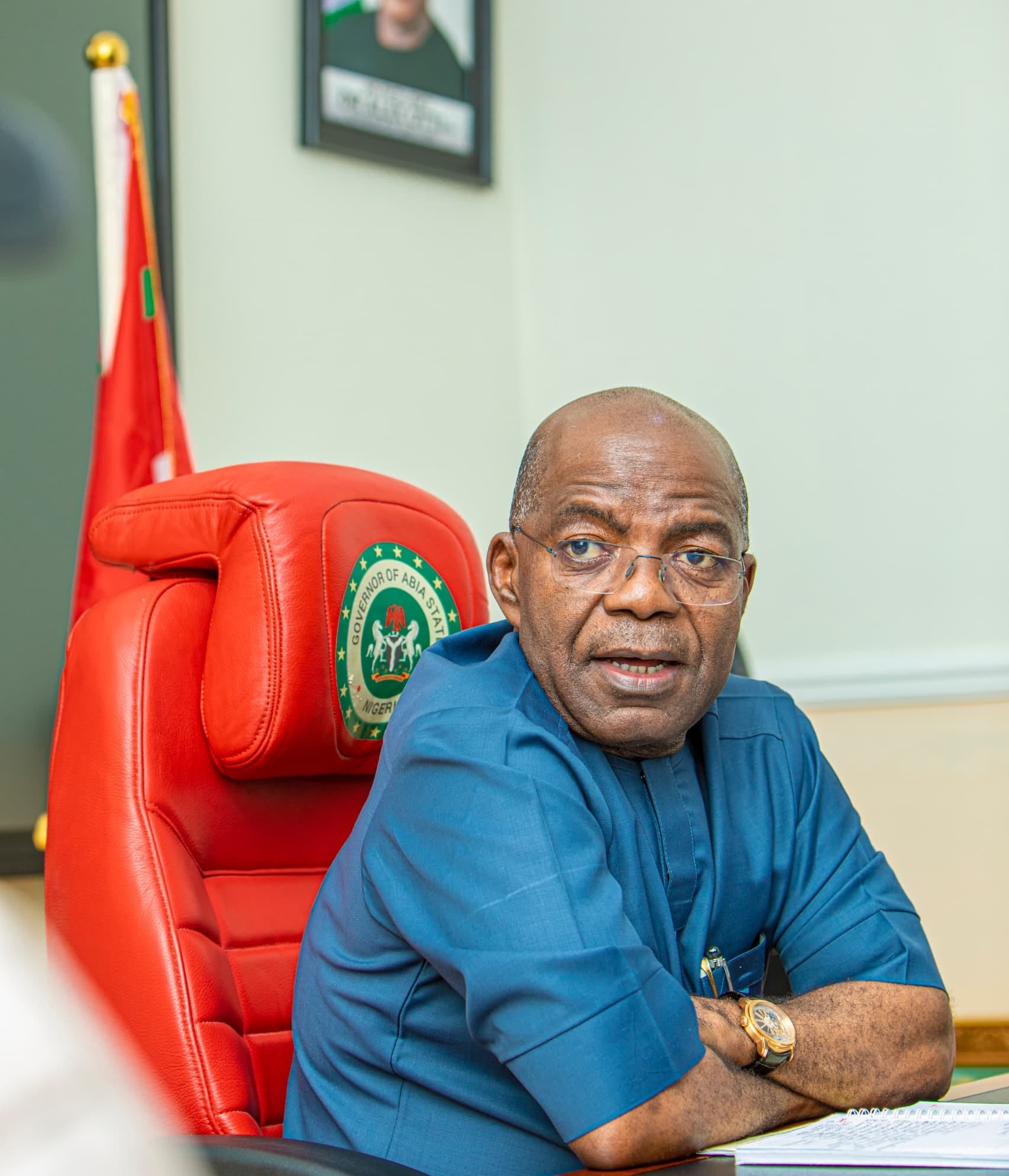
Governor Alex Otti have always defined Aba as a city of dreams! Aba, a bustling city in the heart of Nigeria’s South Eastern region, has evolved from a modest British trading post into the region’s economic powerhouse, weaving threads of prosperity for itself and the entire African continent. Strategically located at the crossroads of vital trade routes in Igboland, Aba has become a vibrant melting pot of cultures and commercial activities. Its marketplaces have drawn traders from around the globe, exchanging goods and ideas and laying the foundation for the city’s economic strength.
Even before Nigeria’s civil war, Aba had established itself as a commercial hub. It boasted a diverse range of industries, with a notable presence of multinational corporations from Asia, America, and Europe in manufacturing and distribution. The city’s success is driven by its innovative and skilled entrepreneurs. Renowned for their craftsmanship, Aba’s artisans produce exquisite leather goods and vibrant textiles, earning the “Aba made” label a mark of quality and distinction both locally and internationally.
As Aba’s reputation grew, so did its economic clout. Investment estates flourished, bustling with factories producing a vast array of goods—from household items and clothing to machinery, spare parts, power generators, and solar technology. Despite its economic boom, Aba has remained true to its cultural roots. Its lively markets, where street vendors sell regional delicacies, coexist with artisans, technologists, and manufacturers, creating a vibrant blend of traditions. Festivals celebrating Igbo customs and culture adorn the city’s calendar, reinforcing its rich and diverse cultural heritage.
As the commercial heart of southeastern Nigeria, Aba has become a beacon of hope for millions seeking a better life. Its remarkable success story has inspired citizens across the nation, proving that even the humblest beginnings can lead to prosperity through perseverance and creativity. Enyimba City has continued to write new chapters in its rich history, reinforcing the idea that wealth follows activity. It has evolved into Nigeria’s commercial, industrial, trading, and financial hub, hosting major businesses and numerous government offices. Its markets, which supply other Nigerian markets, have cemented its reputation as a lucrative business area. Aba also stands as a vibrant cultural center, home to theaters, museums, schools, and libraries, and attracting tourists from near and far to Nigeria’s largest and busiest market, bustling with millions year-round.
The city hosts a diverse array of enterprises producing goods and services in textiles, paper products, chemicals, leather, rubber and plastics, furniture, iron and steel, cement, and construction materials, making it the largest continental exchange market for these commodities. Aba has transformed the economic fortunes of countless individuals and communities. It has been a place of prosperity in both good and challenging times, sheltering millionaires and billionaires and offering hope to those with nothing. Many young graduates, eager artisans, and apprentices who flocked to Aba from distant regions returned with stories of triumph and success, their lives significantly improved. Aba remains a city of fresh starts, welcoming and assisting those affected by the upheavals of the 1960s and 1970s, and consistently providing support during various social and political crises in Nigeria and beyond.
Even before Aba became renowned as a major hub for the textile and apparel industries, many who returned to the city found solace and rapid recovery from numerous traumatic incidents, thanks to the new life Aba offered. From haute couture to mass-market clothing, items bearing the “Aba Made” badge began to appear on global markets and catwalks. However, Aba’s economic significance extended far beyond any single industry. Its embrace of diversity and openness to innovation attracted companies from various sectors, including technology, healthcare, and hospitality. As a result, the city’s skyline evolved, featuring charming buildings that housed both start-ups and large enterprises.
As Aba’s influence expanded beyond its borders, the city forged partnerships with other regions and cities worldwide. Trade agreements were signed, alliances formed, and cultural exchanges took place, strengthening Aba’s social fabric and fostering cooperation and understanding among people. After the devastation of the Nigerian Civil War (1967–1970), the region faced immense challenges in rebuilding its infrastructure and economy. Yet, Aba became the cornerstone of the region’s post-war economic recovery efforts. Amidst the widespread destruction, the city played a pivotal role in reviving Nigeria’s economy and promoting entrepreneurial activities, even though it had been severely damaged during the war that ravaged eastern Nigeria. The economy was in ruins, industries destroyed, and infrastructure decimated. Nevertheless, the resilience of the Aba people sowed seeds of hope amidst the debris.
One of the most remarkable aspects of Aba’s post-civil war reconstruction was the tenacity and entrepreneurial spirit of its residents. Many craftsmen and small business owners in Aba were undeterred by the devastation. They began anew, rebuilding their businesses from the ground up, often with makeshift workshops and rudimentary tools. Aba soon emerged as a symbol of Nigeria’s post-war industrial revival. Local artisans, technicians, technologists, dealers, and businesspeople began revitalizing traditional industries such as handicrafts, textiles, and intricate metalwork. Products made in Aba quickly gained a reputation for their high quality and affordability, attracting customers from across Nigeria and beyond. As Aba evolved into a bustling industrial hub, it earned the nickname “Japan of Africa,” renowned for its sought-after products that combined meticulous craftsmanship with advanced replication technology. Small and medium-sized businesses in the region exemplify this precision, significantly boosting Nigeria’s GDP.
They revolutionized traditional industries through technology, expanded Africa’s digital revolution, and inspired similar initiatives, leading to widespread economic empowerment and growth across the continent. The vibrant economic landscape of Aba tells an African success story that draws global attention. The “Elephant City” thrives with diverse celebrations, sounds, and international engagement, symbolizing the unifying pursuit of opportunity and prosperity known as the “Enyimba Spirit.” The informal sector played a crucial role in Aba’s economic resurgence, allowing small businesses to flourish and produce a wide array of goods in the city’s bustling markets. This grassroots entrepreneurial activity was key to the economic revival, generating employment opportunities and revitalizing Aba’s economy.
From its humble beginnings in the aftermath of the civil war, Aba has transformed into a bustling commercial and industrial hub, driving economic growth not only in southeastern Nigeria but across the entire nation and beyond. Today, Aba exemplifies the enduring spirit, creativity, and ingenuity of the Nigerian people. Despite being devastated by the civil war, Aba stands as a testament to the resilient willpower of its citizens. The lessons learned from Aba’s post-civil war recovery remain as relevant as ever, offering a beacon of hope and resilience for Nigeria and Africa as they face new challenges in the twenty-first century. Aba’s journey from economic devastation to economic renaissance is a compelling example of the transformative power of local entrepreneurship and community collaboration during difficult times.
The people of Aba, alongside their Nigerian and West African neighbors, have not only rebuilt their city but also laid the groundwork for a brighter and more prosperous future through their unwavering determination and inventiveness. Aba’s skyline is now adorned with towering buildings that symbolize its economic strength, as the city has transformed its traditional markets into modern business districts. Despite its past destruction, the city was determined to revive the entrepreneurial spirit that once defined it. Today, Aba stands at the crossroads of global trade, with a steadfast commitment to shaping a new future.
However, Aba’s economic ascent came with significant infrastructure challenges, including an unstable power supply and inadequate transportation systems. In 2023, a Nigerian economist and former bank president Dr. Alex Otti was elected governor of Abia State. He immediately began to collaborate with local business associations, government agencies, and international organizations to address these infrastructure gaps, making Enyimba City the centerpiece of his administration. He is currently investing hundreds of billions of Naira in developing a new Aba mega-city, aiming to elevate it to a major international financial and investment hub.
However, the immediate past PDP regime that damaged beyond measure, the fortunes of Abia State in general and Aba The Enyimba City in particular continues to seek new ways of reintroducing terror and mayhem into Aba while fruitlessly defending themselves with irresponsible arguments and other pointless logic. This is the more reason why Governor Alex otti is equally not taking a day off in his total commitment towards rebuilding and rejuvenating the magic Enyimba City of Aba in all standards of measurement, but most especially in issues and areas of security of lives and property to enhance the quality of a more meaningful life for all. Indeed a new Abia is here to the glory of God.